Water Removal and Water Extraction in Manchester, NH

We pump out standing water and pull water from carpet, pad and hard floors so drying starts sooner and fewer materials have to be replaced.

  • Homes and businesses
  • Water, mold, sewage, fire and smoke
  • Manchester and nearby towns
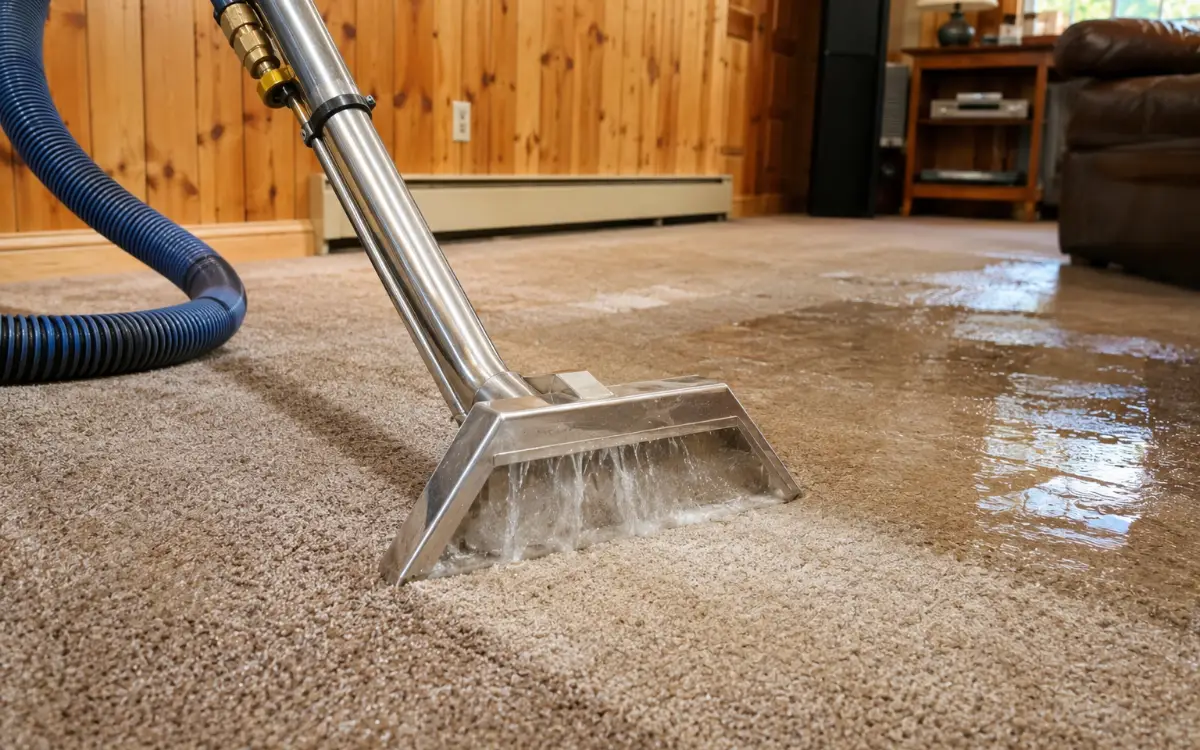
Extraction wand removing standing water from a flooded floor in Manchester, NH

OUR WORK

Water Extraction Work Examples

Examples of the type of water extraction work we handle.

Extraction wand removing standing water from a flooded floor in Manchester, NH
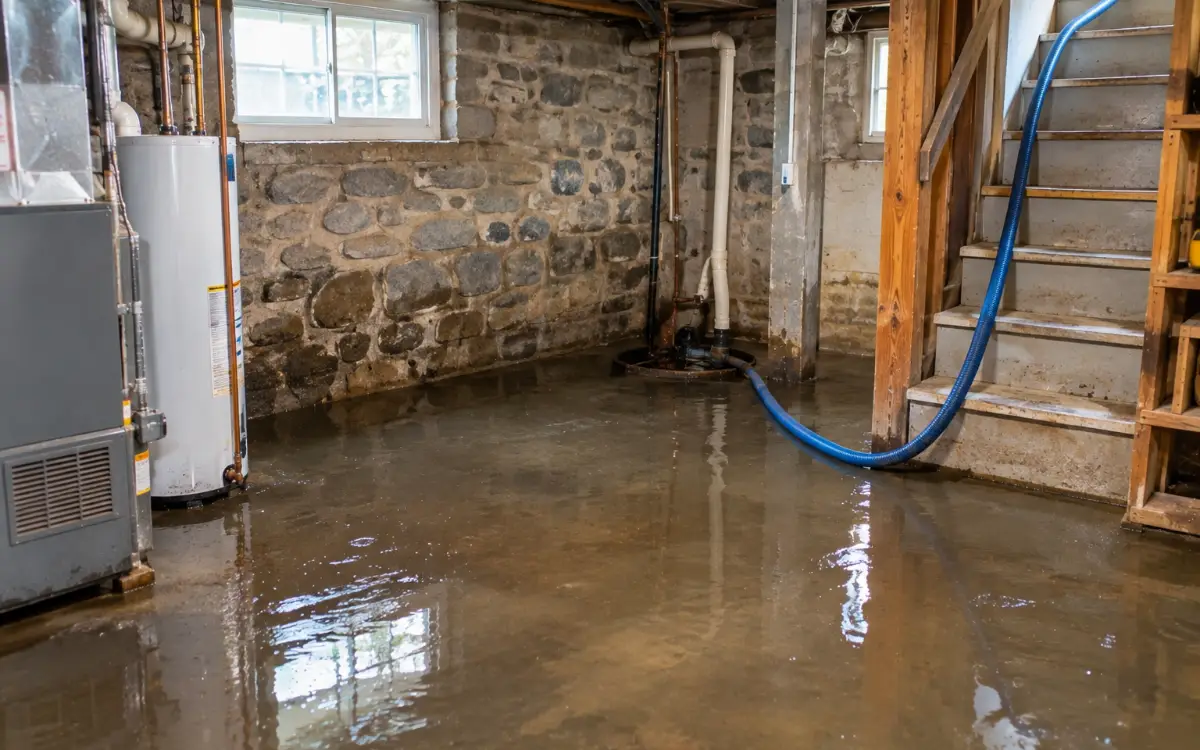
Flooded basement with standing water before cleanup in Manchester, NH
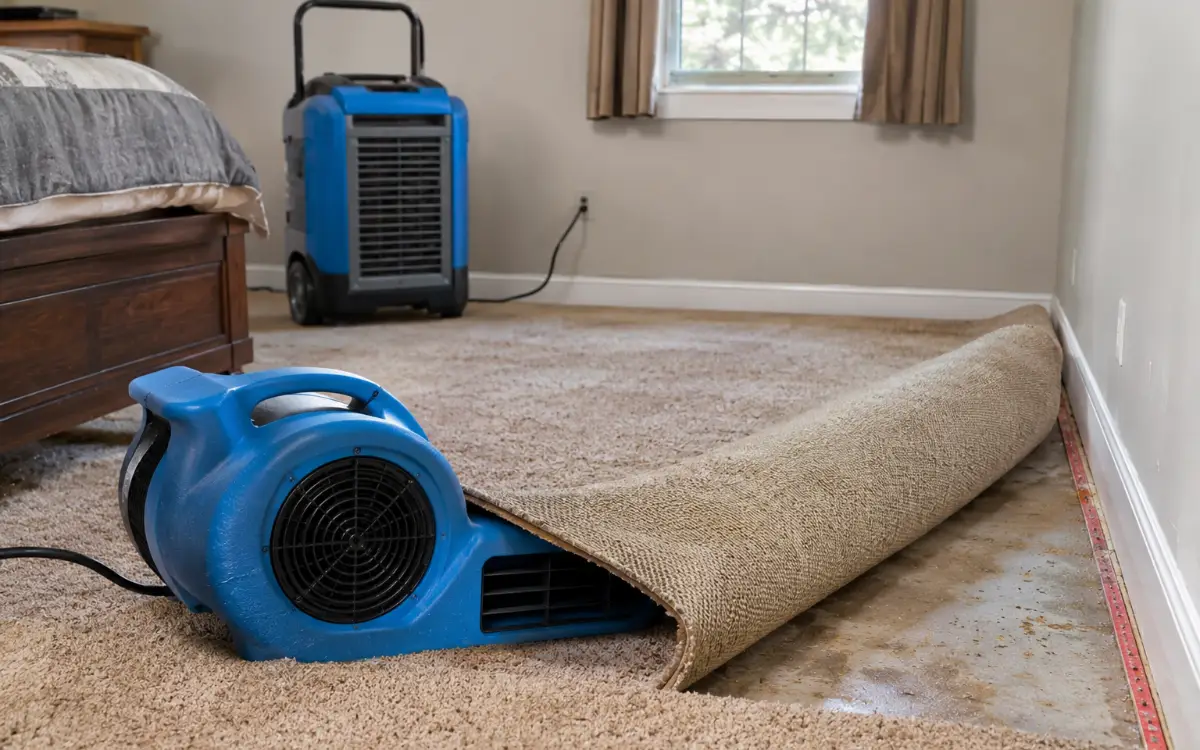
Wet carpet lifted with an air mover drying underneath in Manchester, NH

Getting the Water Out First

Water extraction is the first hands-on step of almost every water damage job. Every gallon left on the floor keeps soaking into subfloors, drywall and wood framing, and it raises the humidity in the whole home. Removing bulk water quickly is the single biggest thing that shortens drying time.

Our team uses submersible pumps for deeper water, truck-mounted and portable extractors for carpet and pad, and squeegees and wet vacuums for hard surfaces like tile, vinyl and concrete. The equipment we bring depends on how much water there is and what it is sitting on.

Water removal in Manchester often means basements. With many homes built before 1940, low basement ceilings, fieldstone or block foundations and floor drains that back up are common. We plan the extraction around those details so the water goes out and stays out.
Flooded basement with standing water before cleanup in Manchester, NH

Our Water Extraction Process

  1. Check the water category. Clean water from a supply line is handled differently than gray water from a washer or sewage from a backed up drain. The category decides what can be saved.
  2. Pump standing water. For water that is more than an inch or two deep, we use pumps to move the bulk of it out through a hose to an approved drain or outside area.
  3. Extract from carpet and pad. Weighted extraction tools press water out of carpet and pad. In some cases the pad is removed and the carpet is dried in place. Read more on carpet water damage.
  4. Hard floors and concrete. We squeegee and vacuum tile, laminate, vinyl and concrete, then look for water that slipped under the flooring.
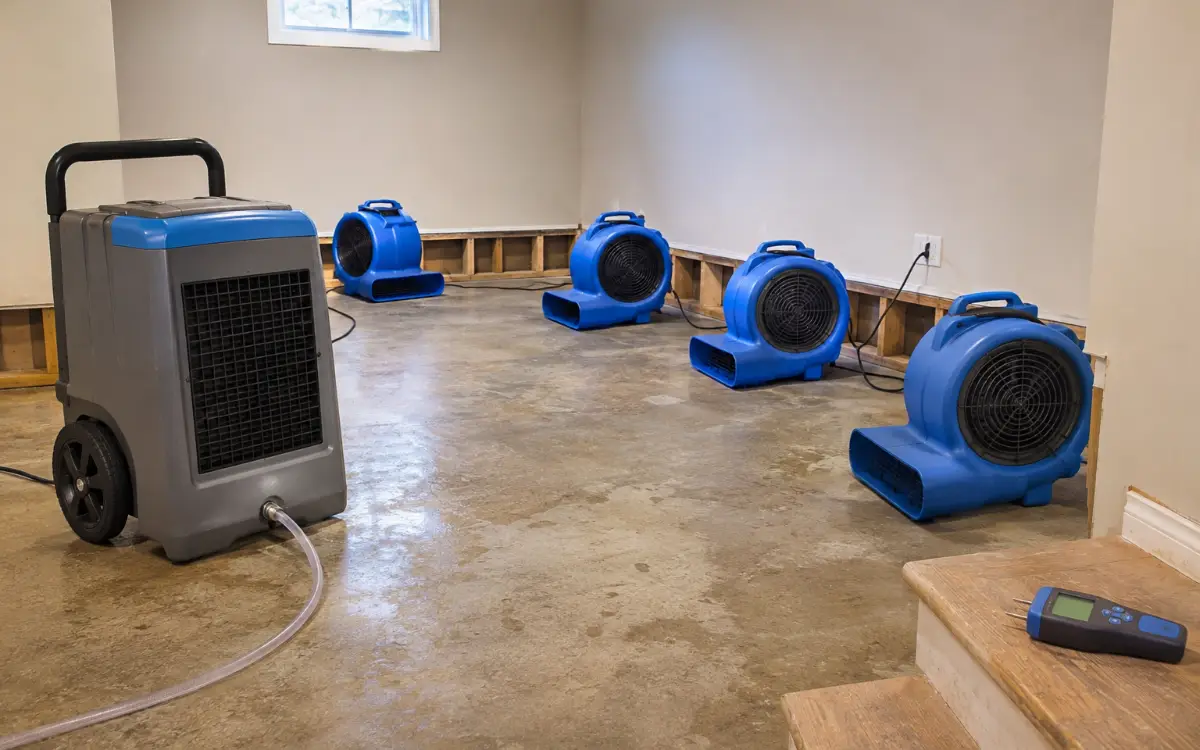
  5. Measure and hand off to drying. After extraction we take moisture readings and set up structural drying equipment.

Where We Remove Water

  • Finished and unfinished basements, including around furnaces and water heaters
  • Kitchens and laundry rooms after appliance leaks
  • Bathrooms and the rooms below after overflows
  • Carpeted bedrooms, living rooms and stairs
  • Garages, mudrooms and entryways after snowmelt or storm water
  • Offices, stores and common areas in commercial buildings

Water Extraction vs. Drying

Extraction removes liquid water. Drying removes the moisture that is still inside materials after the floor looks dry. Wood, drywall and subfloors can hold a lot of water that you cannot see, which is why we always follow extraction with moisture readings and dehumidification. Skipping that step is a common reason for odors and mold weeks later.

Safety Around Standing Water

Standing water and electricity do not mix. Stay out of flooded rooms with outlets or appliances below the waterline, and never use a household vacuum on water. If the water smells like sewage or came from outside during a storm, treat it as contaminated and keep people and pets out until it is cleaned and disinfected.

Water Extraction FAQs

How long does water extraction take?

A single room may take an hour or two. A fully flooded basement can take longer, depending on depth, contents and access. Drying then continues for several days.

Can wet carpet be saved after extraction?

Often, when the water was clean and we reach it quickly. Carpet soaked by sewage or flood water is usually removed for safety. The pad under wet carpet is commonly replaced.

Do I need extraction if the water already soaked in?

Yes. Water in carpet, pad and under flooring still needs to be pulled out before drying equipment can work well.

Where does the extracted water go?

Clean water is discharged to an appropriate drain or outside area. Contaminated water is handled following health and safety practices.

Need water extraction in Manchester?

Our team serves Manchester and nearby Hillsborough County. Call us today to schedule restoration service.

Call Now (555) 555-0100